
Top Platelet-Rich-Plasma (PRP) Therapy Clinic in Aspen
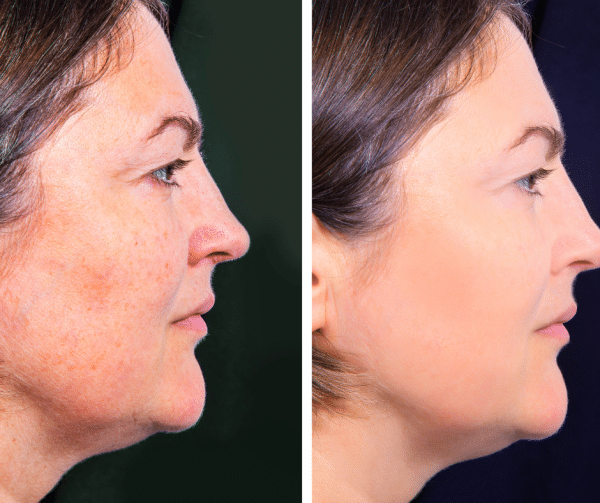
At the Aspen Institute of Anti-Aging and Regenerative Medicine, Platelet-Rich Plasma (PRP) therapy is one of our favorite ways to help the body do what it was designed to do—repair, rebuild, and renew. Dr. Gershon Jr., DO, FAOASM, ABAARM, leads our regenerative team with a simple goal: help you recover joint health, feel confident in your skin, and reclaim a higher quality of life. It’s time to move forward.
PRP for Orthopedic Injections
PRP Injections are a concentration of the patient’s platelets that helps accelerate the healing of an injury in the tendons, ligaments, muscles, or joints by jumpstarting the body’s natural healing system to improve musculoskeletal issues. This therapy is designed to support the structures that keep you moving—cartilage, ligaments, tendons, and joint capsules.
At the Institute, we:
Use image guidance for precise application
Ultrasound (and, when appropriate, fluoroscopy) helps us place PRP exactly where it’s needed—within a tendon sheath, a degenerative fascial plane, the joint space, or along a painful enthesis (where tendon meets bone).
Tailor protocols to the tissue and your goals
A degenerative tendon may benefit from a different PRP preparation and injection technique than an arthritic knee. We select concentration, volume, and delivery method accordingly, and we pair your procedure with a recovery plan that could include activity modification, physical therapy, bracing, or targeted mobility work.
Address the whole kinetic chain
Joint pain isn’t an isolated issue. Hip mechanics affect knees; shoulder instability stresses elbows and wrists. Dr. Gershon’s sports-medicine background means your plan evaluates upstream and downstream contributors, improving durability as well as symptom relief.

Many patients pursue PRP for knees, hips, shoulders, elbows, ankles, and feet. After treatment, most resume light daily activities quickly; more strenuous exercise is reintroduced gradually to support the healing process.

PRP for Facial Aesthetics
PRP isn’t just for joints. In aesthetics, it’s used to stimulate collagen production, improve texture, and restore a more radiant, well-rested look—naturally.
Our Aspen clinic specializes in PRP facials, a non-invasive procedure designed to revitalize the skin’s appearance and texture. By delicately penetrating the skin’s surface with PRP, we stimulate the growth of healthier skin cells. This treatment effectively targets fine lines, wrinkles, acne scars, uneven skin tone, stretch marks, and other signs of aging and damage.
Microneedling with PRP
Fine channels created at the skin’s surface allow PRP to penetrate where collagen and elastin are made. Over a series of sessions, patients often notice smoother tone, refined pores, and a healthier glow.
PRP Injection for Volume-Poor Areas
Strategic microinjections (for example, in the mid-face or tear-trough region) support tissue quality and firmness. PRP doesn’t replace volumizing fillers, but for many people seeking a subtle, biologically harmonious refresh, it’s a compelling option.
Support for Scars and Texture
By encouraging remodeling, PRP can be part of a plan for acne scarring or textural irregularities, often combined with other modalities recommended by our team.
Because the active ingredient is your own plasma, PRP facials typically look very natural—think “you, well-rested”—without overfilling or drastic changes.

The PRP Process: A Gateway to Natural Repair and Healing
PRP is an autologous treatment, which means it’s made from your own blood. We draw a small sample, spin it in a centrifuge to separate the components, and concentrate the platelets and plasma that carry signaling proteins known as growth factors. This platelet-rich layer is then carefully injected or applied to the target area. Those growth factors help orchestrate the body’s natural repair response—recruiting cells, encouraging new collagen and extracellular matrix formation, and supporting local circulation.
Because PRP uses your own biology, it avoids foreign substances and typically involves minimal downtime.
“When we concentrate your own growth factors and place them where your body needs support, we often see meaningful changes—less pain, better function, and healthier tissue,” says Dr. Gershon.
Take an Active Role in How You Age
Aging alters the body’s repair biology: joints develop cartilage wear and synovial inflammation; tendons and ligaments lose spring and hydration; skin’s collagen network thins. PRP helps counter those trends by delivering a concentrated, local signal to rebuild. In joints, that may translate to better lubrication, improved tendon integrity, and calmer inflammatory chatter. In skin, it means more organized collagen and a more resilient dermal matrix.
While no therapy stops time, PRP is a science-based way to support healthier tissues today and more comfortable movement (and confidence) tomorrow.

Do You Suffer From These Common Causes of Lifelong Joint Pain?
Osteoarthritis
Age- and activity-related cartilage changes create stiffness, swelling, and pain. Intra-articular PRP aims to calm inflammation and support joint homeostasis.
Tendinopathy (e.g., tennis elbow, jumper’s knee, Achilles issues)
Chronic micro-tearing and poor tendon healing respond to growth-factor signaling and graded loading after PRP.
Ligament Sprains and Laxity
Partially injured ligaments can remain painful and unstable. PRP placed at the ligament’s origin and insertion can support tissue quality.
Overuse and Repetitive-Strain Injuries
Skiing, hiking, running, and mountain sports around Aspen are wonderful—and demanding. PRP can be part of a plan to restore irritated tissues.
Post-Injury Plateaus
After a sprain, strain, or surgery, some patients stall in rehab. PRP may help re-ignite progress when the biology needs a nudge.
Plantar Fasciitis and Fasciosis
Stubborn heel pain linked to degenerative fascia may respond to PRP when conservative care hasn’t been enough.
PRP is not a cure-all, and results vary, but many patients experience worthwhile improvements in pain and function—especially when treatment is combined with smart biomechanics and strength work.
Other Benefits of PRP
Made From You, For You
PRP is created from your own blood—so there are no outside materials involved. That means your body recognizes it right away, with little risk of side effects.
Quick Recovery
Most people are back to their normal routines the same day. We’ll give you simple after-care tips to make sure your healing process gets off to the best start.
Works Alongside Other Care
PRP isn’t meant to stand alone. It often works best when paired with physical therapy, bracing, or other treatments, creating a well-rounded plan for recovery.
A Way to Cut Back on Medications
By helping your body heal directly, PRP may reduce the need for ongoing pain relievers or repeat steroid injections. For many, it’s a more natural, sustainable option.
Natural-Looking Skin Results
When used in facial treatments, PRP improves your skin’s own tone and texture. The changes happen gradually and look like the best version of you—not an artificial makeover.
Customized for Your Needs
Every body is different, and so is every treatment. We adjust how PRP is prepared and placed based on your condition and goals, making your care truly personal.
What to Expect with PRP at the Aspen Institute
Your visit begins with a focused evaluation—history, movement assessment, and, when helpful, ultrasound imaging. If PRP is a good fit, we’ll draw your blood, prepare your concentrate, and perform the procedure in our comfortable Aspen clinic. You’ll leave with a clear after-care plan and check-ins to monitor progress. Some conditions call for a single session; others do best with a short series spaced several weeks apart. We’ll give you realistic timelines based on your tissues and activity goals.
Ready to Feel and Move Better?
If joint pain is holding you back—or if you’re looking for a natural way to refresh your skin’s tone and texture—PRP may be an excellent option. Visit the Aspen Institute of Anti-Aging and Regenerative Medicine to explore a personalized plan with Dr. Gershon and our team. We’ll help you decide whether PRP, another orthobiologic treatment, or a combined approach is right for you, so you can move, perform, and feel your best in the mountains you love.
Individual results vary and not all patients are candidates for PRP. To schedule your consultation for PRP therapy in Aspen, contact the Aspen Institute of Anti-Aging and Regenerative Medicine today.

